
0
£0.00
0 items

Back to the Bownessie Blog

Sustainable lifestyle practises are not only great for the environment, but also for our own well-being. However, actually incorporating new habits into daily life can seem overwhelming, particularly if you have limited resources, or energetic kids! Luckily, getting started with sustainability doesn’t have to be expensive or complicated. Here we will explore some effective, simple, inexpensive methods to start living more sustainably.
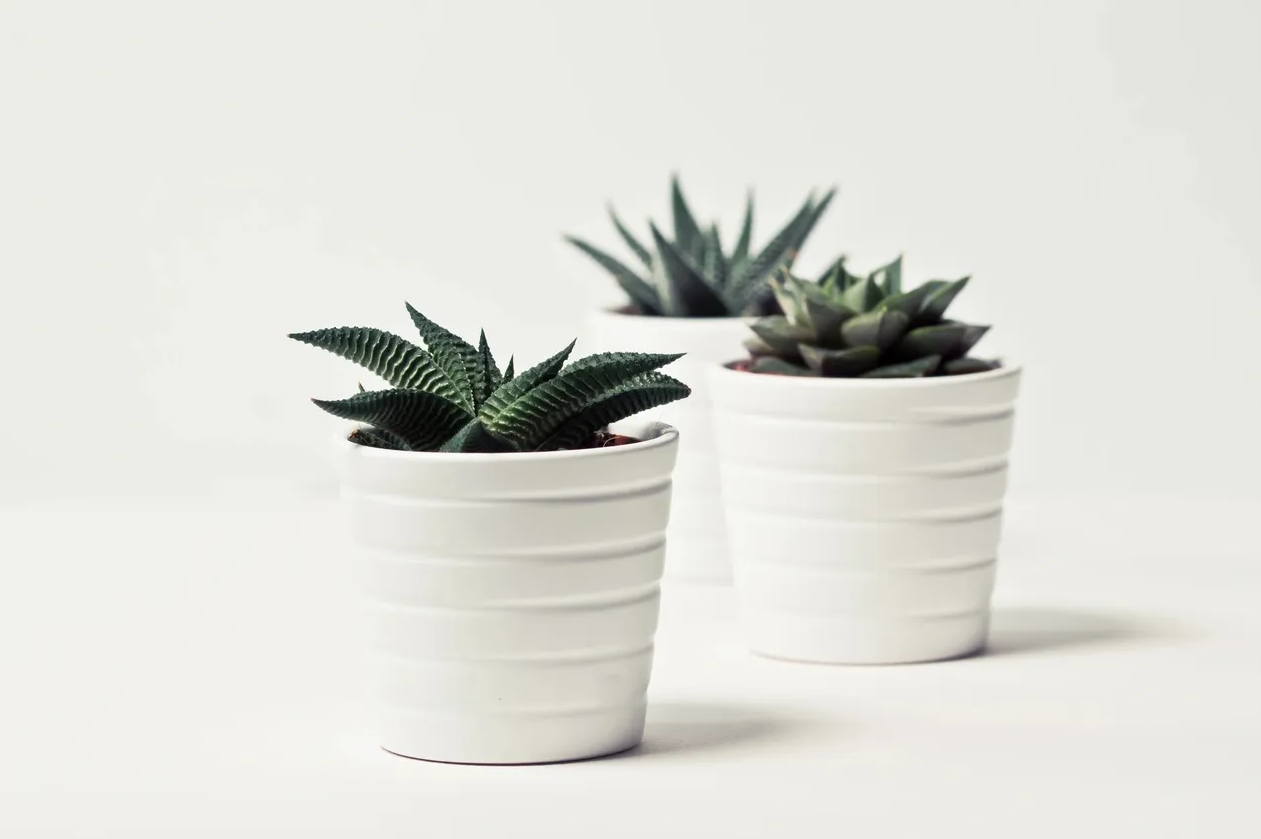
In an increasingly material world, teach your children the value of experiences, relationships, and creativity. Declutter your home, donating, repurposing or reselling items that are no longer needed or have been kept for that ‘just in case’ day that never seems to come! Keep your home clutter-free, and reduce waste all in one go.
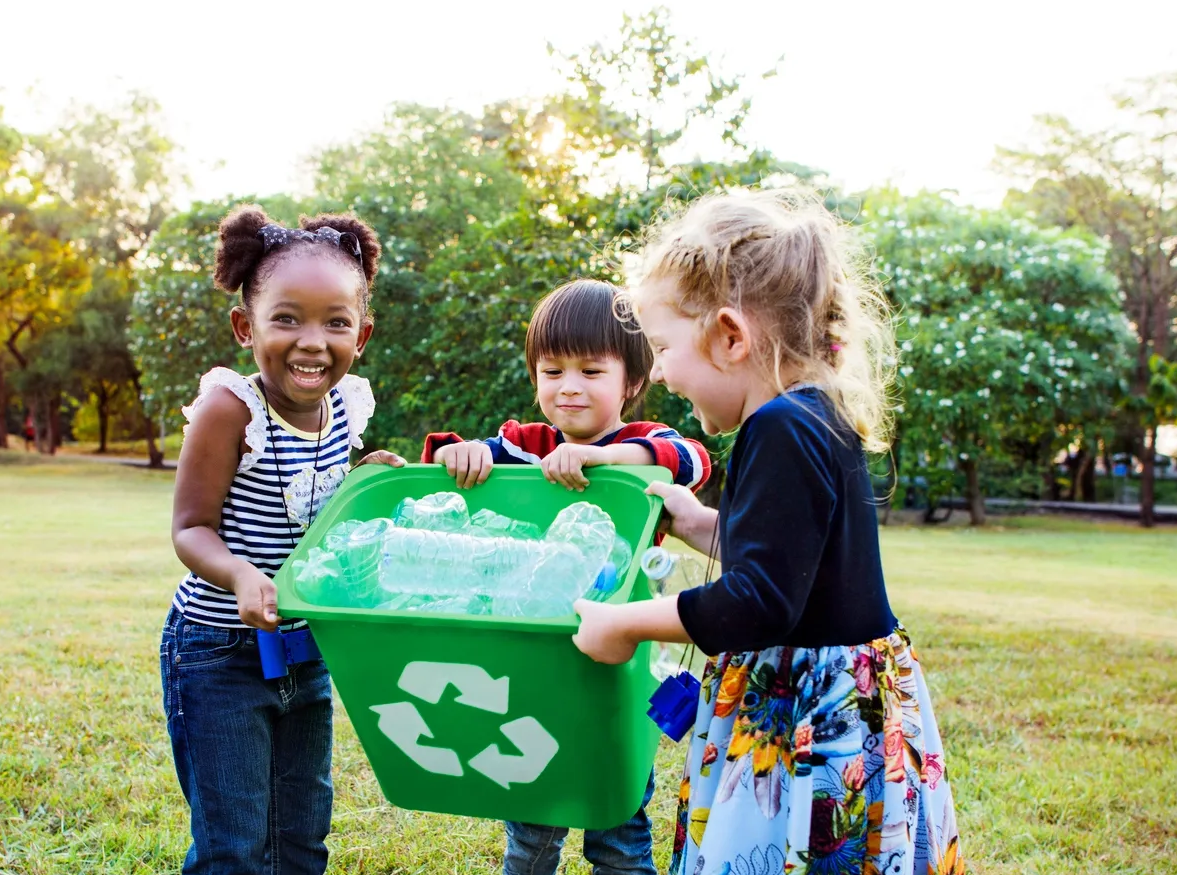
It’s been said many times before, and we’re saying it again because it is important! Not only to complete these practises yourself, but teach your children and family the importance of these values. Reduce consumption and waste, reusing and repurposing items rather than disposing, and follow your local recycling guidelines. Getting kids involved in the process of deciding what to do with items, and then following through as a family will have a huge hand in supporting them to understand how to live sustainably, and value what they have. Really embrace creativity, and find new purposes for old objects, letting your children have a whale of a time turning it into something new and exciting!

Want to be sustainable and save money at the same time? Sure you do! Conserving your energy usage is the best place to start. It may seem like it’s too small to make a big difference, but it all adds up. Get into the habit of not only turning lights off when not needed, but teach your children the value of unplugging devices and turning appliances off at the wall when not in use.
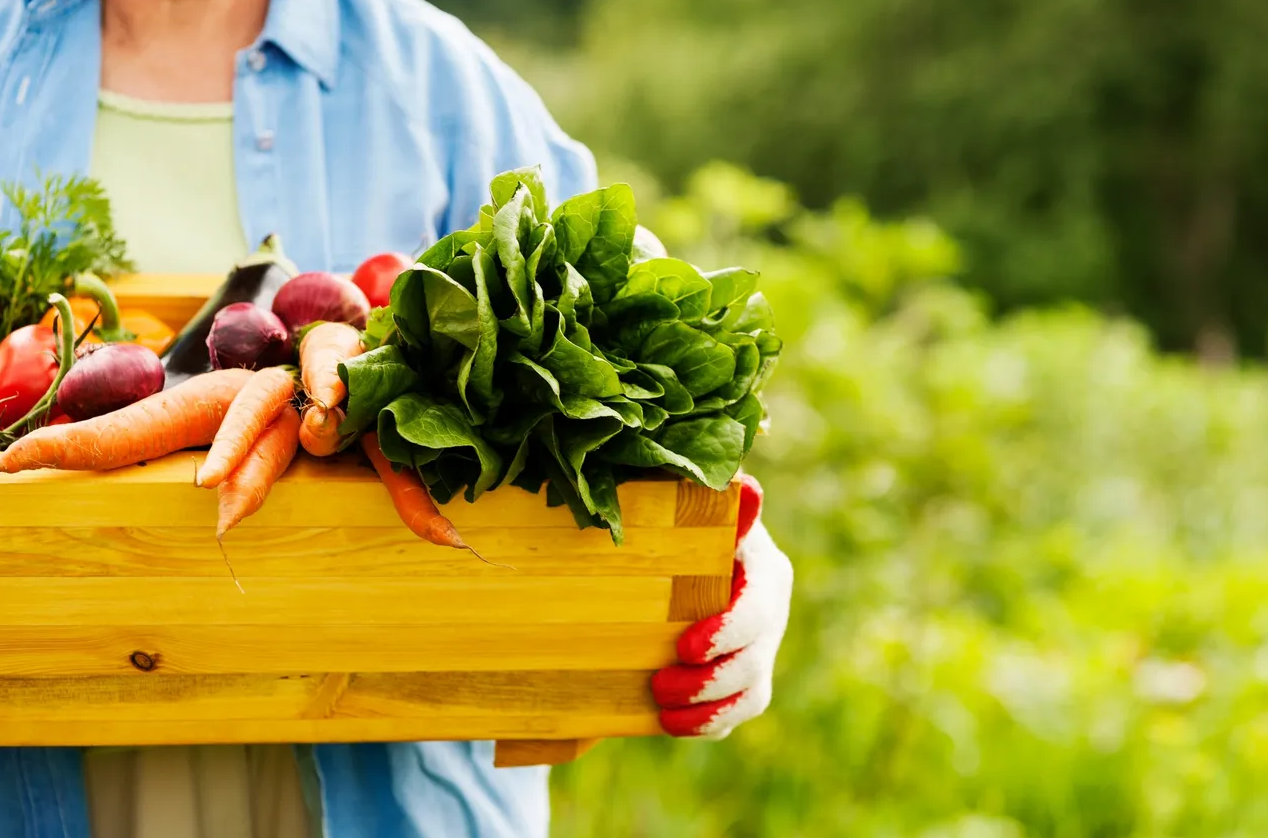
Plants can thrive even in the smallest spaces, so if a windowsill is all you have to spare, you can still enjoy a bit of home-grown food. Tending to a plant, and being able to eat the result of your hard work is rewarding for the whole family. If you have a garden space, consider some easy fruit or veg you can plant, or why not grow some herbs and microgreens indoors? Pots can be your best friends when growing veg in a small space, and are easy to maintain compared to a bed. Get the family involved in planting, watering, and harvesting. Plants are a great way to not only teach your children about where their food comes from, but enables them to see the process of a plant producing edible food. Encourage your children to keep a plant diary to keep track of watering, or stick up a chart near the plants in question. You could even give them all a name!
Growing your own food is a great way to have access to fresh, organic produce, while reducing your reliance on plastic-packaged shop food.
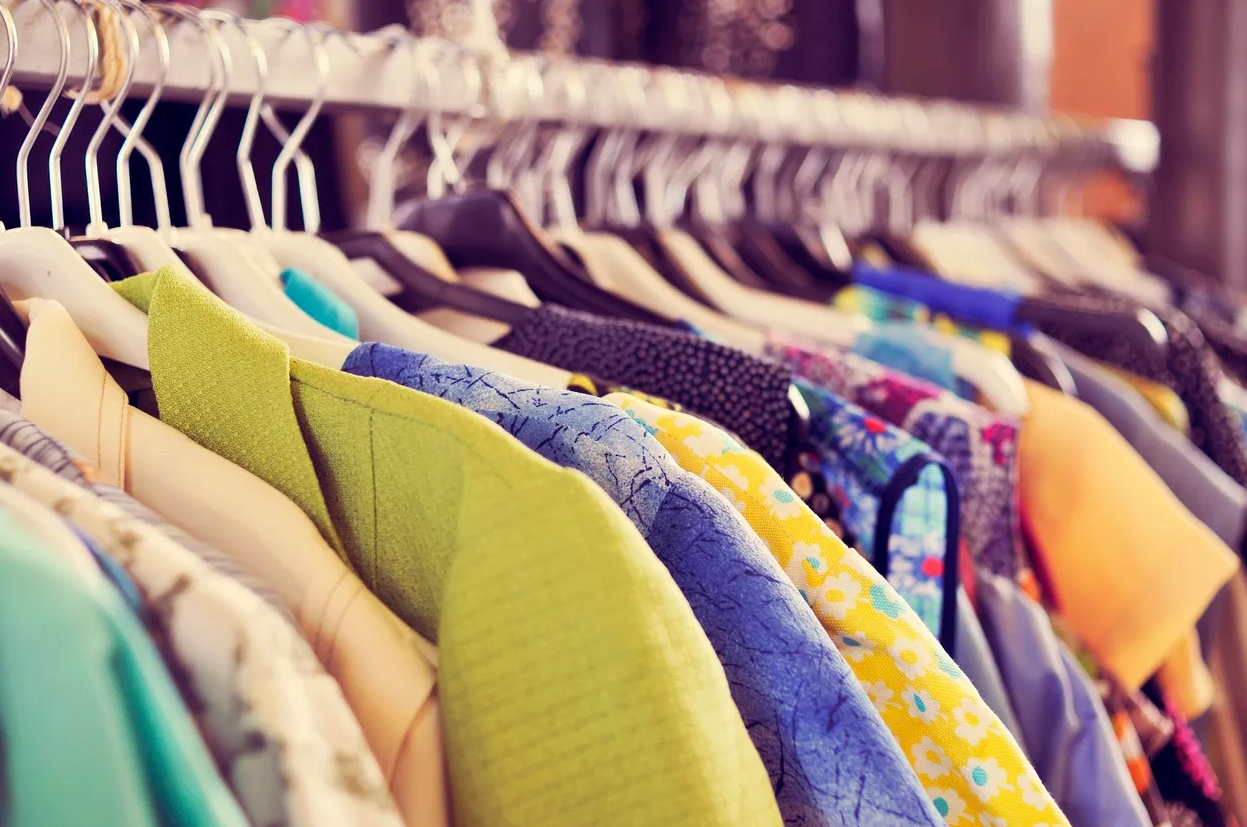
As sustainability has become more mainstream and popular, Eco-friendly products are starting to become a more reasonable cost. When possible, it is always best to choose the eco-friendly option, sometimes it’s even become the most cost-effective option as well! Second hand is such an important market, as it extends the life of items and makes it more sustainable in the long run as there will be a reduction in the demand for new products. There are lots of different places to find second-hand items of good quality, and charity shops are a great place to start. Charity shops are also fantastic places to find items that can be upcycled into new items, or to use in fun crafty or DIY projects!

Instill mindful consumption habits in your children by teaching them how to make conscious choices about what you buy or bring home. Talk through and discuss with your children the value of what you are considering buying, and if it’s a necessary purchase or not. Could they even make it themselves? Creating wanted items themselves places a higher value on the item due to the effort and connection of the creation process. Consider the cost of the goods, ethical and environmental considerations of the production, but also the value of the item to the individual. By having these conversations with your kids around purchasing decisions, they will start to make these considerations themselves and grow up to be mindful about their consumption. Not only will this teach them about the environmental impact of purchases, but will also encourage sensible spending habits which will help them to manage their money as they grow older.
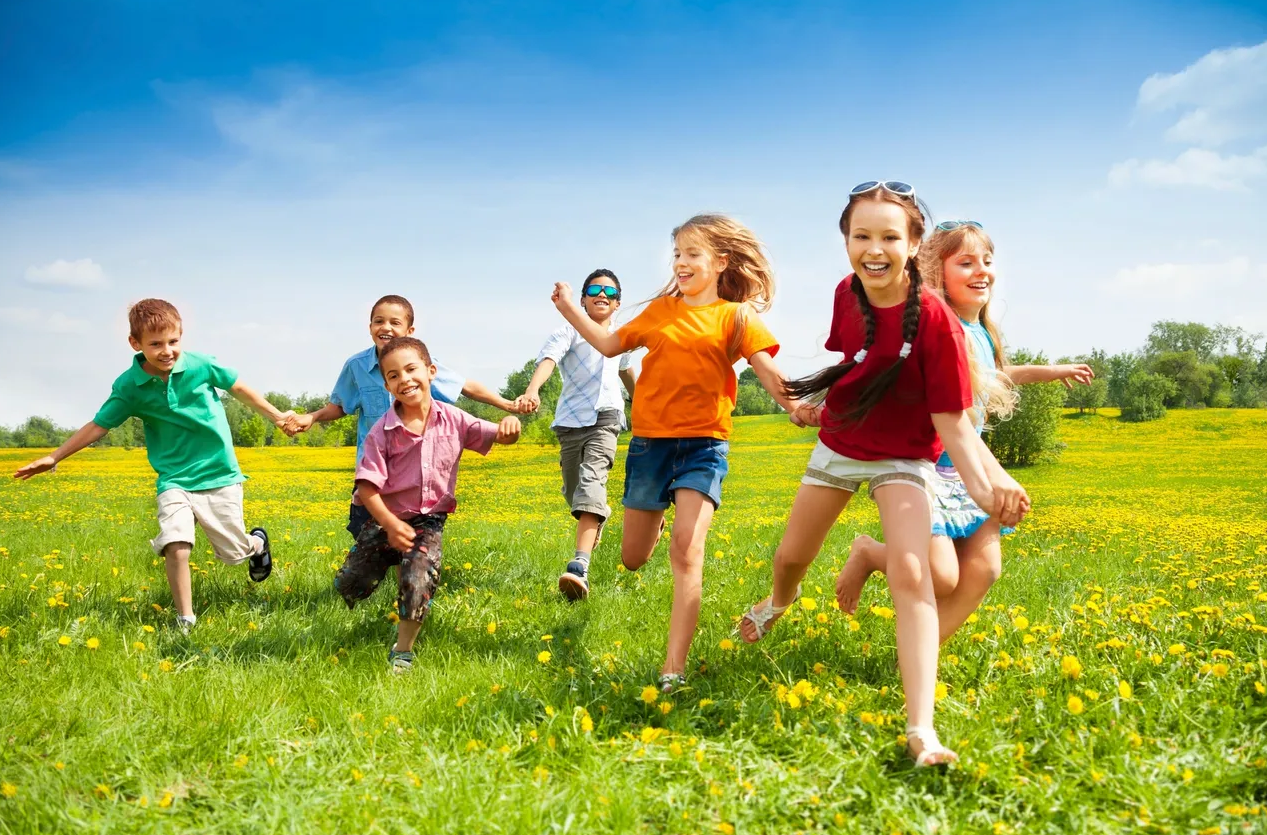
This last point is probably the best one to start with: Getting out in nature. Spend time outside! Go to your local green spaces and wander, hunt for colourful leaves, look under rocks to see what’s living there, get muddy. Encourage your children to enjoy being outside in all weathers, to want to ask questions and find new things. Show your family through your own actions that nature and the outdoors is an amazing, fun place to be! Get stuck in with them, dust off your bike, stomp about in your wellies! Children who spend more time outside and in nature are more likely to grow up to want to protect the spaces that they have such fond memories of.
Being sustainable as a family, when you have limited time or resources is extremely achievable. Start small, start easy. Choose something that will be easy to incorporate into your current routine, and when that has become an unconscious habit, choose the next practice. Foster a sense of stewardship and love for the environment in your youngsters, and watch them grow up with sustainability in their actions.
Not sure where to start? Heading to the Lake District or a local? Check out our outdoor activity ideas to get out and about.


